

Additional information
| Artist | Chaigneau |
|---|---|
| Nationality | French |
| Category | Barbizon |
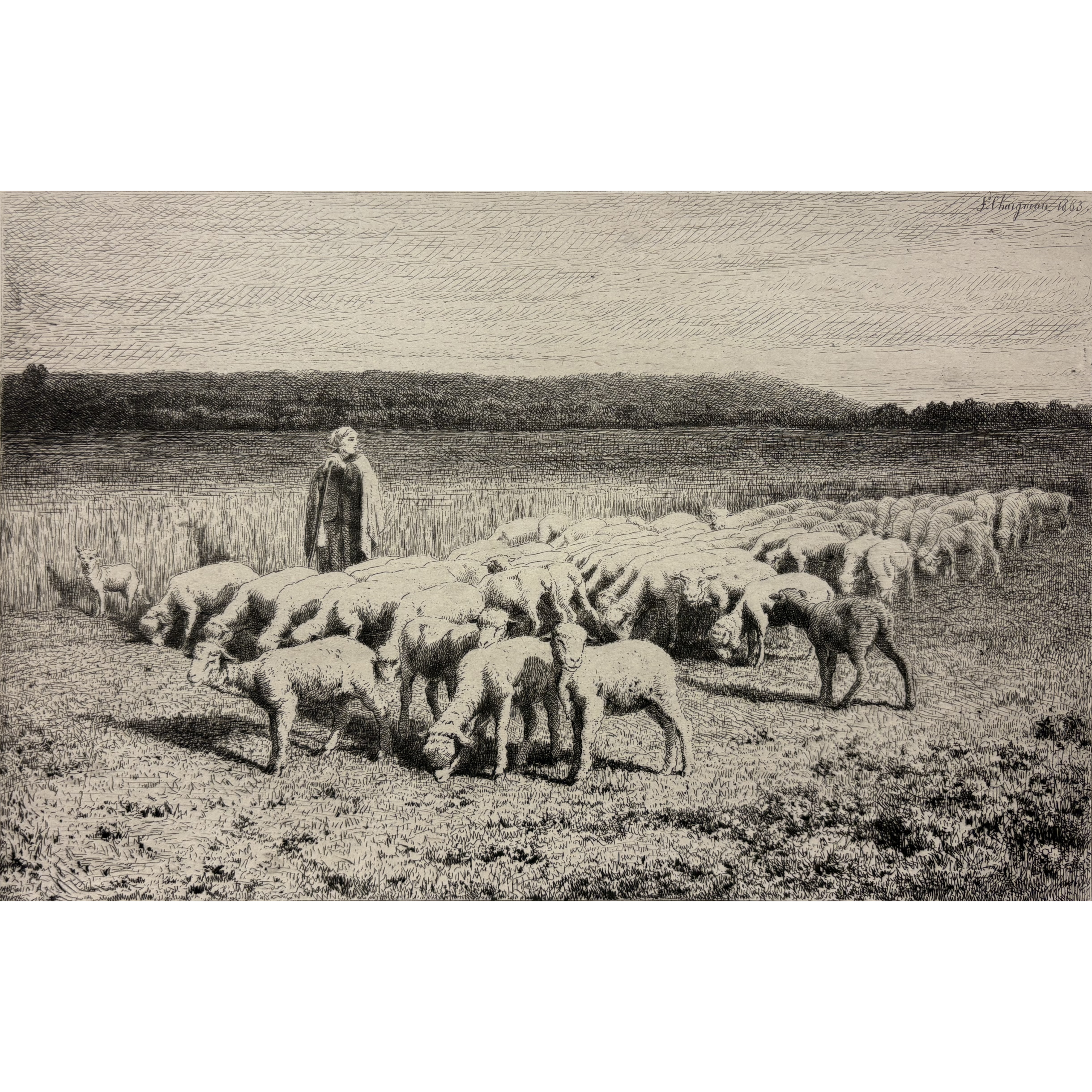
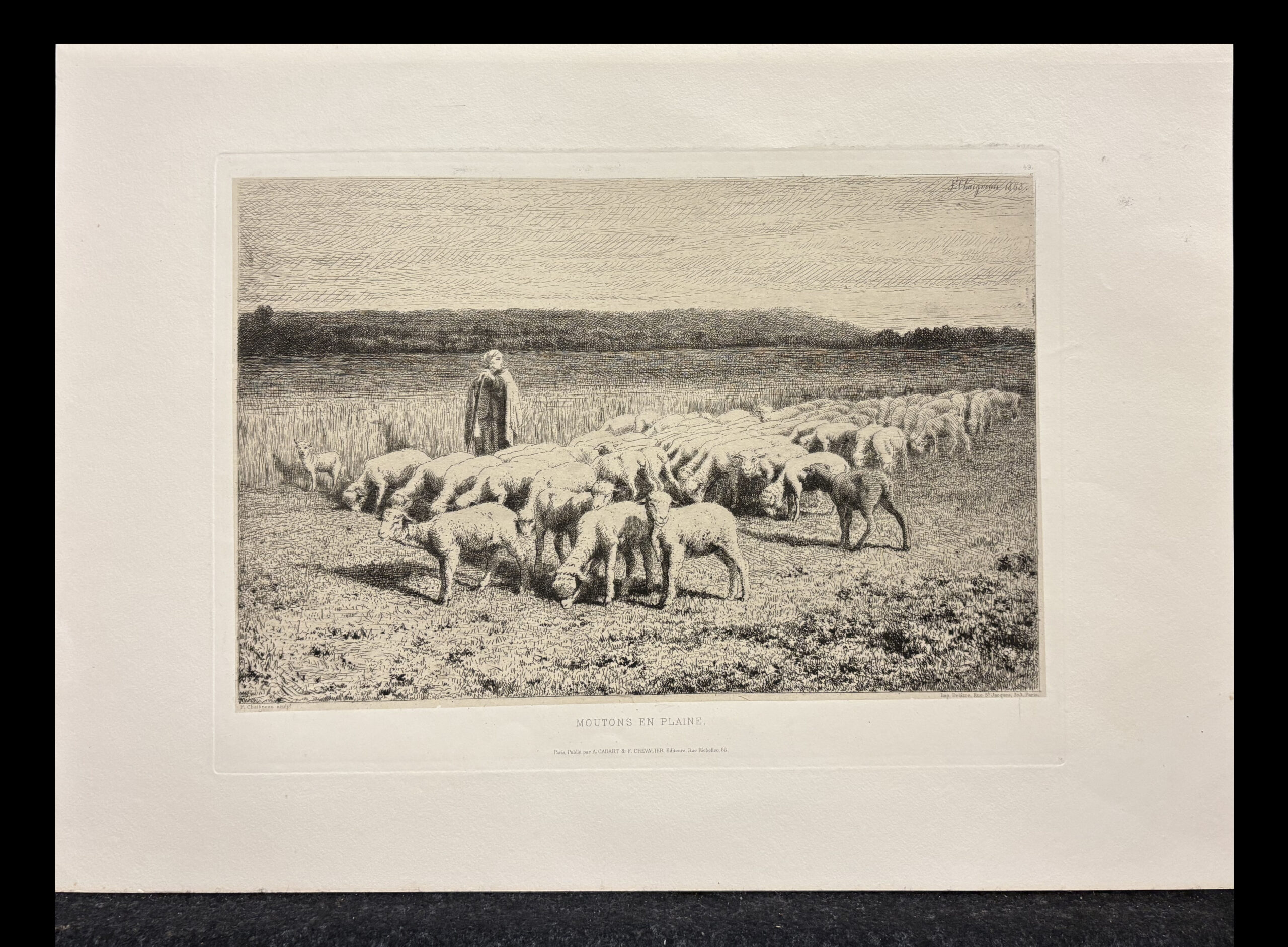
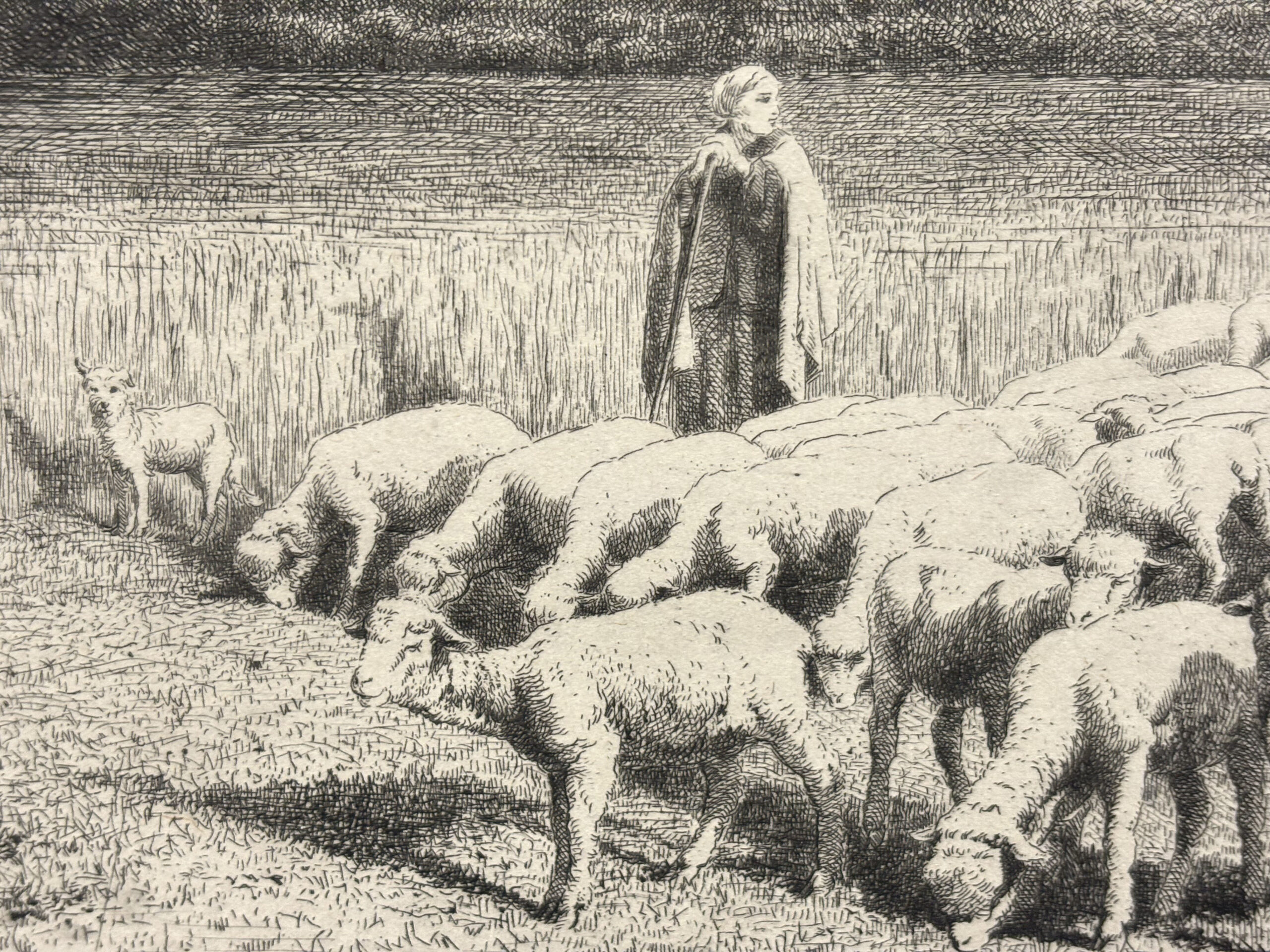
ArtistChaigneau, Jean-Fedinand
Artist Years1830-1906
Artist NationalityFrench
Year1863
MediumPrint > Etching
DimensionsPlate: 7.9 X 12.1 inches
Sheet: 20.5 X 20.5 inches
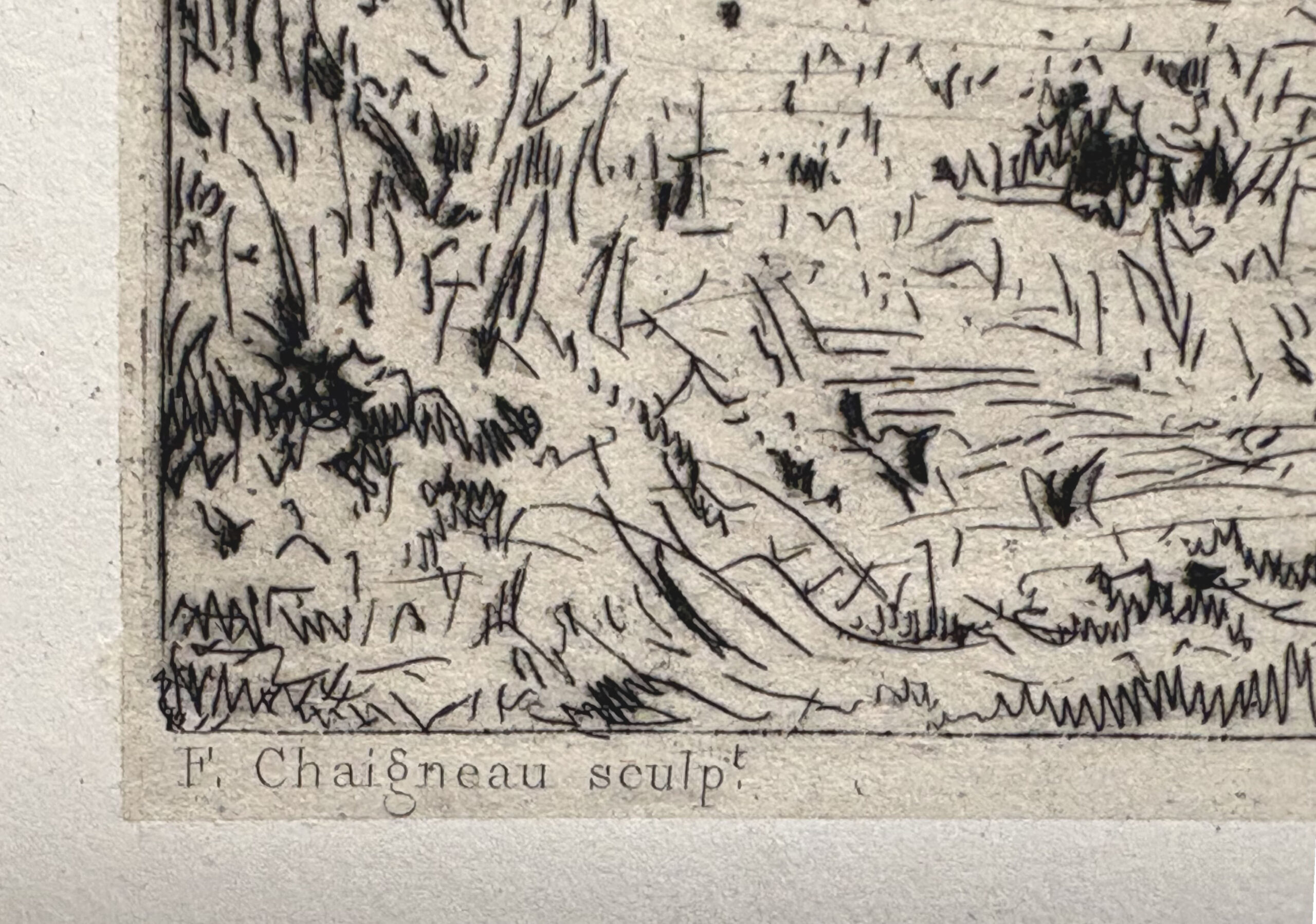
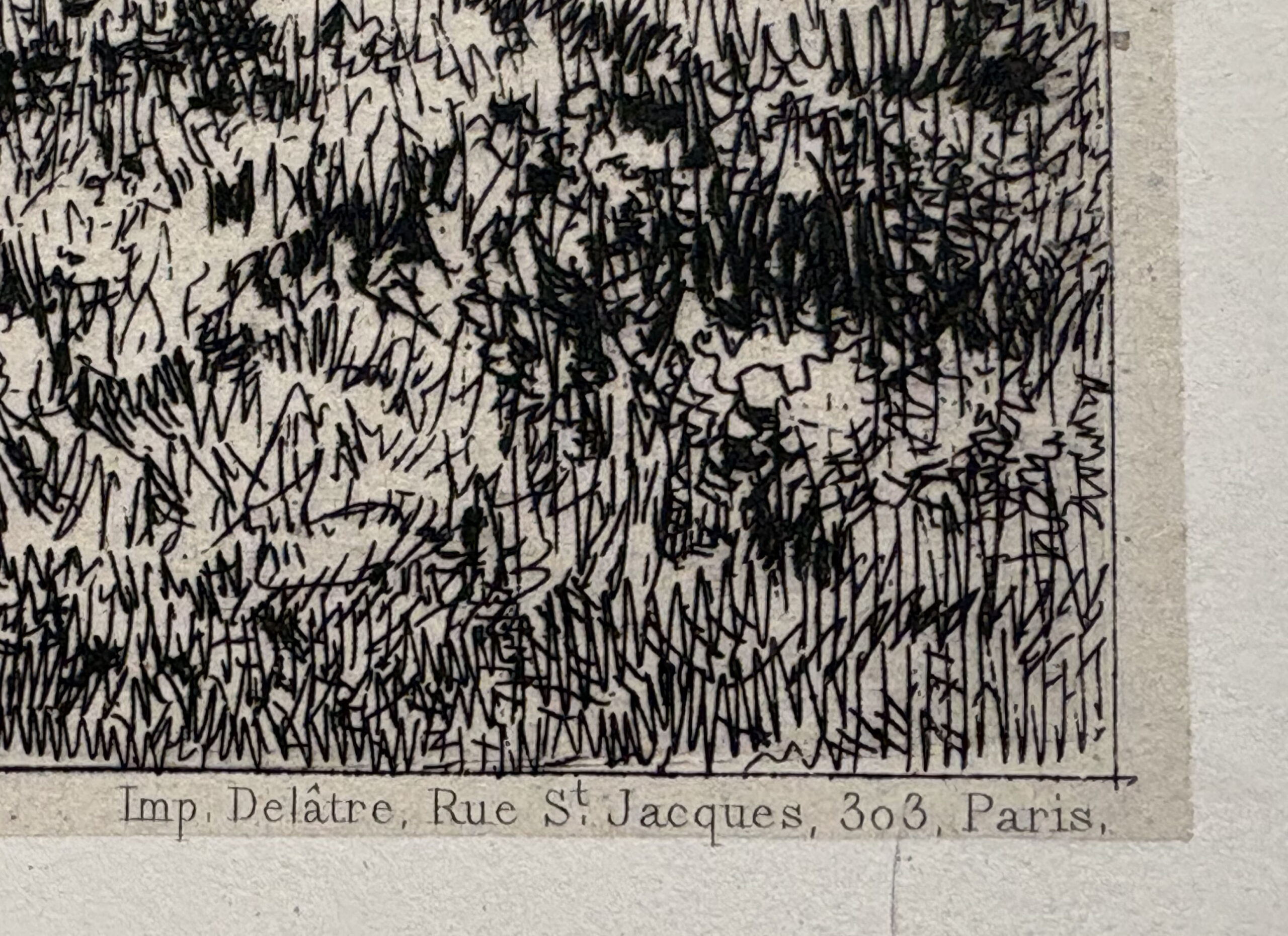
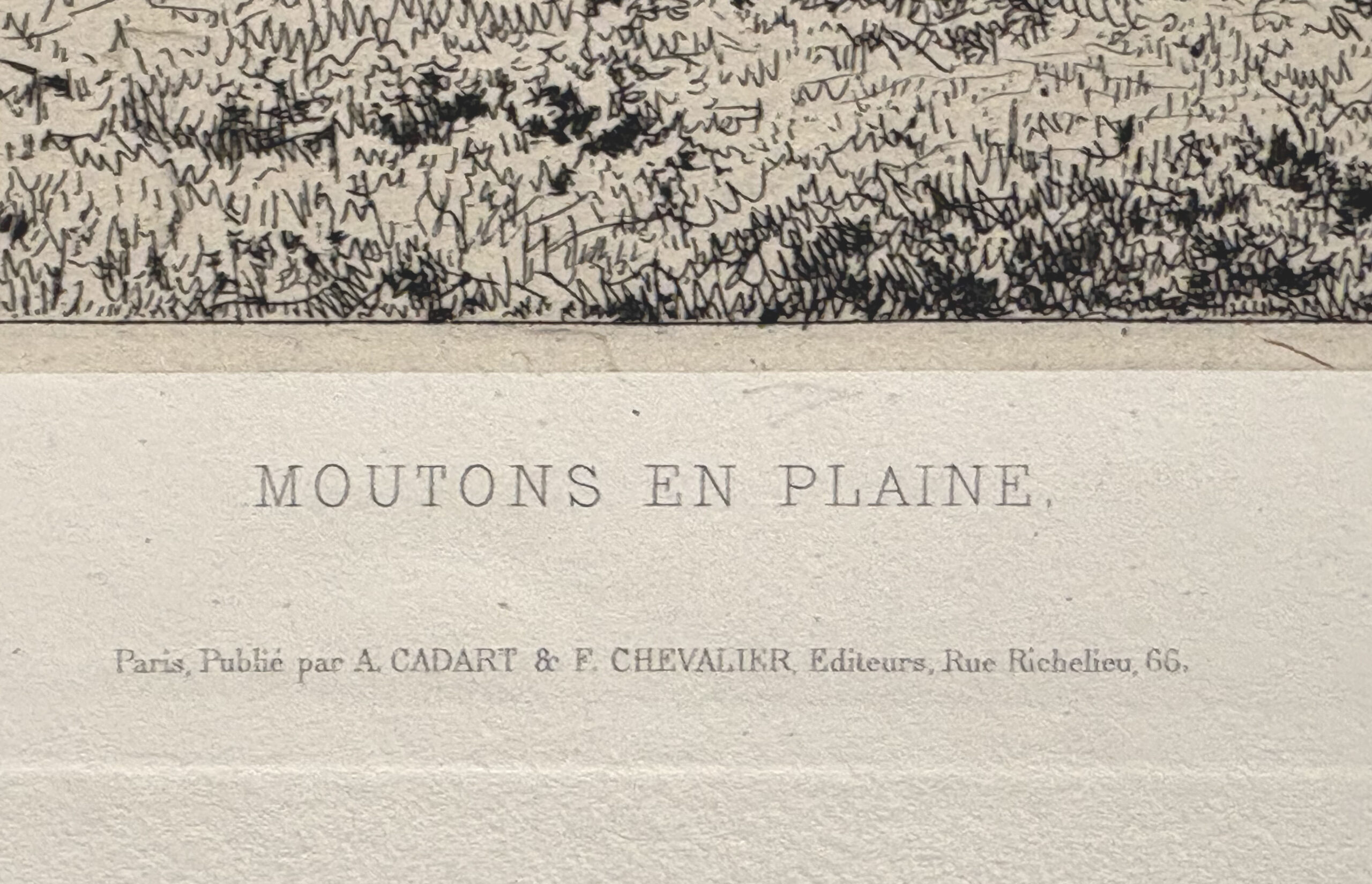
Original etching, signed and dated in the plate, upper right corner, with engraved title and credits below the image, printed on chile-colle onto heavy, fine-grained, pale-cream wove paper. Published in Eaux-Fortes Modernes, Originales et Inedites by the Societe des Aqua-Fortistes, A. Cadart & Luquet, Eds., Paris, 1862-1863.
Accession Number395249
NotesJean-Ferdinand Chaigneau (6 March 1830, Bordeaux - October1906 Barbizon) was a French painter and engraver at the Barbizon School.
He was the nephew of the painter Raymond Eugène Goethals (1804-1864), a landscape and naval painter.
Ferdinand Chaigneau was a pupil of Jean-Paul Alaux dit Gentil (1788-1858) in Bordeaux. He then entered the École des Beaux-Arts in Paris in 1849 to study in the workshops of François-Édouard Picot, Jacques Raymond Brascassat and Jules Coignet.
He exhibited for the first time at the Salon of 1848, where he presented his landscape Souvenir from the surroundings of Bordeaux. A vain candidate for the Prix de Rome de paysage historique in 1849 with La Mort de Milon de Crotone (his painting is classified 6 e), however, he won the 3rd prize in historical landscape of the Academy of Fine Arts in the 1854 competition with Lysidas and Moeris[, which allowed him to become a resident of the city of Paris.
Chaigneau then turned away from the painting of History to devote himself to landscape and animal subjects, and to the composition of scenes of the life of the fields. He participated in the World's Fair of 1855 by sending a canvas representing a Marais in the Landes. He continued to exhibit regularly at the Salons, first with landscapes of the Gironde and the Landes, his region of origin, then drawing his inspiration, from 1858, from the green show of the forest of Fontainebleau. He thus became, with Théodore Rousseau and Jean-François Millet, one of the members of the School of Barbizon, where he settled in 1858 in his house which he named La Bergerie, where his son Charles-Paul Chaigneaux (1879-1938) was born, who would produce, like his father, pastoral scenes of the same vein.
He is particularly renowned during his lifetime for his art of animal painting, characterized by his talent for staking flocks of sheep from the plain of Chailly, in the sites he paints, a process that constitutes in a way his trademark. He is also a appreciated engraver, author of an album of six plates, Landscapes and Sheep (1862), then of twelve original etchings entitled Voyage around Barbizon, respectively drawn by Auguste Delâtre and Alfred Cadart]. In 1880, he published a Project for the reorganization of annual exhibitions of fine arts.
From his marriage to Louise Deger, he has four daughters and a boy. Three of her daughters, Marguerite (violencellist, 1875-1943), Suzanne (violinist, 1875-1946) and Thérèse (pianist, 1876-1968) form a trio of chamber music called "Trio Chaigneau". Suzanne is the mother of the singer Irène Joachim (1913-2001), herself, the little daughter of the violinist Joseph Joachim. His son, Charles-Paul Chaigneau, will also be a painter.
Ferdinand Chaigneau died on 23 October 1906 in Barbizon, a village where he lived, and rested there with his daughter Suzanne. In addition to French museums, his paintings are preserved in North American public collections as well as in Brazil and Japan.
(source: wikipedia.org)
| Artist | Chaigneau |
|---|---|
| Nationality | French |
| Category | Barbizon |